Myth #1: Cutting Grass Shorter Helps It Grow Better
Many homeowners assume mowing grass extra short means they’ll have to mow less often. Unfortunately, cutting grass too low is bad and will stress the lawn.
Reality
Scalping weakens the entire grass plant, making it harder for roots to grow deep and healthy. Short grass is also more vulnerable to heat, drought and weed growth.
What to Do Instead
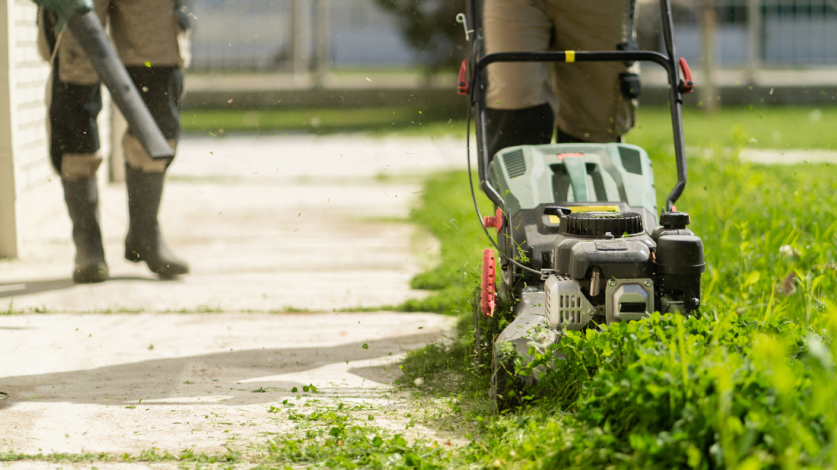
Follow the one-third rule: never remove more than one-third of the grass blade at a time. Maintaining the proper grass height can help shade the soil, reduce weed growth, support deep roots and improve overall turf grass health.
Myth #2: Watering Every Day Is Best
Daily watering may seem like a good way to keep grass green, especially during spring and summer. But too much shallow watering can actually weaken your lawn.
Reality
Frequent shallow watering encourages shallow grass roots, making lawns more dependent on constant moisture and more vulnerable during dry conditions.
What to Do Instead
Water deeply and less often to help encourage deeper root growth and stronger turf. Watering needs can also vary depending on your grass type. For example, warm-season grasses and cool-season grasses often respond differently to heat and drought.
Myth #3: More Fertilizer Means a Healthier Lawn
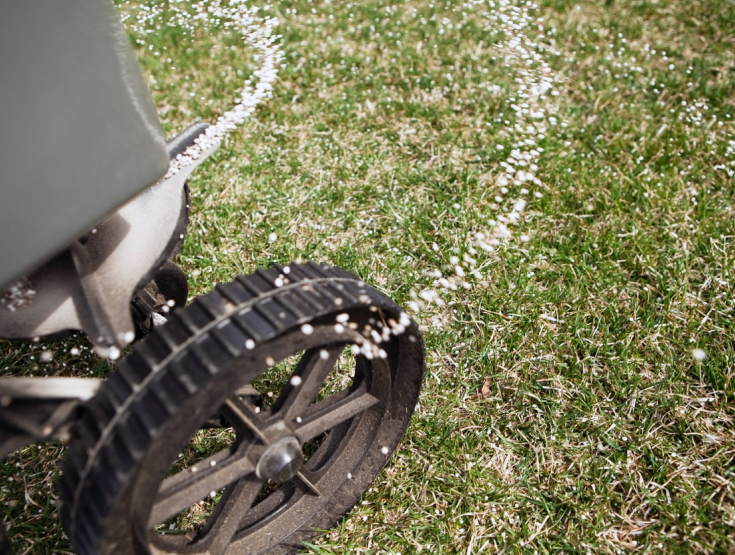
When lawns start looking thin or faded, many homeowners assume more fertilizer is the solution, but more isn’t always better.
Reality
Too much lawn fertilizer can stress grass, damage grass roots and disrupt soil balance. Excess fertilization can even contribute to lawn disease and uneven growth.
What to Do Instead
Healthy lawns usually benefit more from balanced lawn fertilization than excessive applications. Apply fertilizer based on seasonal lawn needs, soil conditions and your grass type rather than simply adding more product.
Myth #4: Lawn Mowing Can’t Spread Weeds
Weeds can spread more easily than many homeowners realize.
Reality
Weed seeds can travel through mowing equipment and spread across a lawn if problems aren’t addressed early.
What to Do Instead
Keep mower blades clean and stay proactive with weed control before weeds spread into larger areas of turf.
Myth #5: All Lawn Care Services Are the Same
Not every lawn care service takes the same approach to lawn health.
Reality
Some companies focus mainly on basic maintenance, while others provide more customized lawn care plans based on soil conditions, grass type and seasonal needs.
What to Do Instead
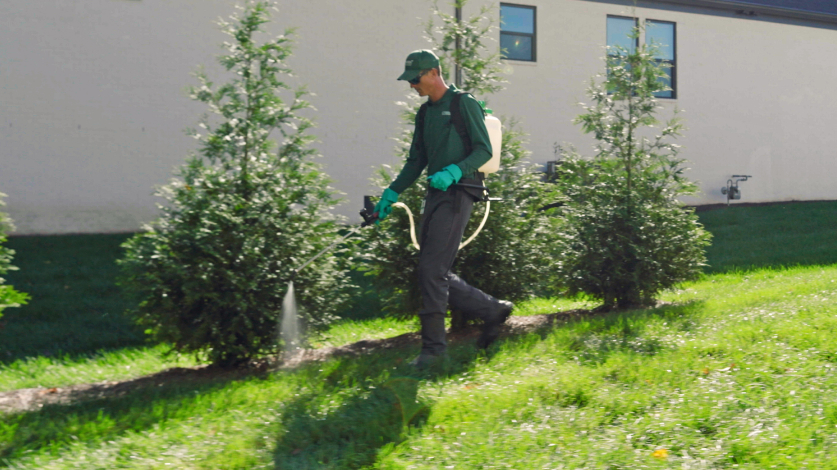
Look for lawn care professionals like TruGreen who offer ongoing monitoring, customized recommendations and treatment plans designed for your lawn rather than one-size-fits-all applications.
Myth #6: Grass Clippings Cause Thatch
This is one of the oldest lawn care myths still floating around.
Reality
Grass clippings break down quickly and will actually return nutrients and organic matter back into the soil. Thatch is usually caused by excess buildup of dead and living plant parts below the grass blades — not by regular grass clippings left after mowing.
What to Do Instead
In most cases, it’s perfectly fine to leave grass clippings on the lawn unless they’re excessively heavy or clumped together.
Myth #7: You Only Need Lawn Care in Summer
Many homeowners only focus on lawn care once the weather warms up in spring.
Reality
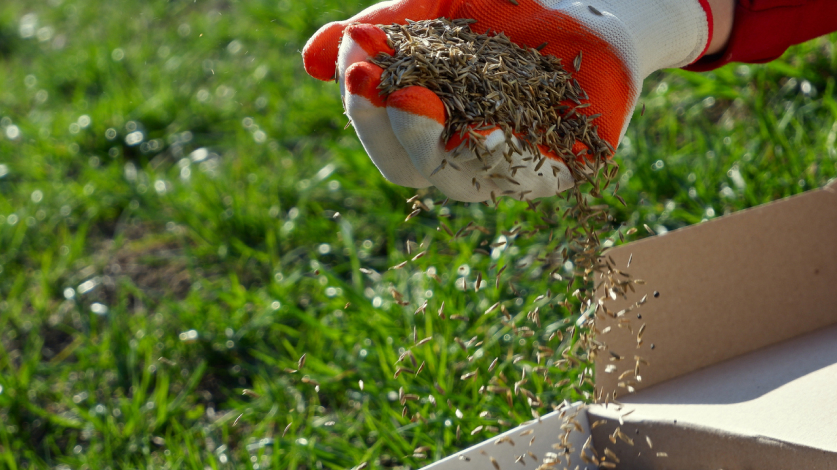
Lawn health depends on consistent care throughout the year, not just during peak growing season. Spring fertilization, lawn aeration in late summer or fall, overseeding with grass seed based on your grass type and seasonal weed control all play a role in supporting a healthier lawn long term.
What to Do Instead
Think about lawn care as an ongoing seasonal process instead of a one-time fix.
Myth #8: DIY Lawn Care Is Always Cheaper
DIY lawn care can absolutely work for some homeowners, especially when supported by reliable information and consistent lawn care practices. But mistakes can become expensive quickly.
Reality
Incorrect mowing, overwatering, poor fertilizer timing or untreated lawn disease or insect damage can lead to costly lawn problems later on.
What to Do Instead
Use reliable lawn care guidance, pay attention to seasonal needs and consider professional support if your lawn requires more consistent care.
Myth #9: Lawn Problems Can Be Fixed Quickly
Many homeowners hope a single treatment or weekend project will solve lawn problems overnight. Unfortunately, healthy lawns usually take time to recover.
Reality
Most lawn problems, including weeds, thinning grass, bare spots and lawn disease, develop gradually and often require consistent care over multiple weeks or even seasons to improve.
What to Do Instead
Be patient and focus on building long-term lawn health with proper mowing, watering, fertilization and seasonal lawn care. Consistent maintenance is more effective than looking for a quick fix.
Myth #10: You Can't Mow Too Often
Some homeowners worry that mowing frequently will damage their lawn. In reality, it's how much you remove,not how often you mow, that matters most.
Reality
Regular mowing at the proper height can help encourage thicker, healthier turf. Problems typically occur when too much of the grass blade is removed at once.
What to Do Instead
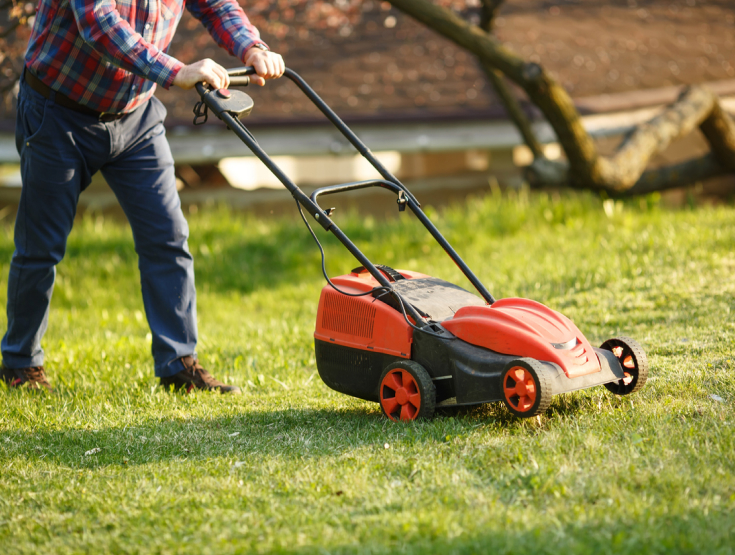
Mow often enough to follow the one-third rule, removing no more than one-third of the grass blade during each mowing. Adjust your mowing schedule as grass growth changes throughout the season.




 Back to all blogs


Facebook
X
Youtube
Copy Link
Email